
OEM & EMS
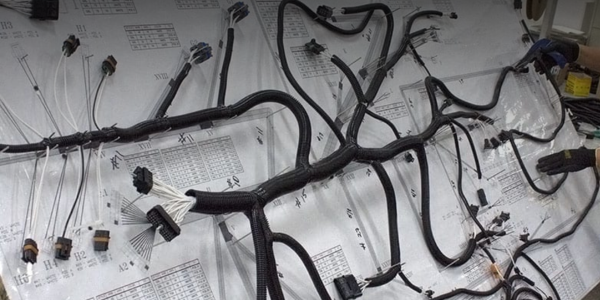
Why Standards Matter to OEMs and EMS Providers
Standards are critical for both OEMs and EMS companies because they ensure consistency, quality, and compliance across the supply chain. A failed audit can lead to costly delays, production setbacks, and reputational risk. By following established guidelines, OEMs and EMS providers can reduce risk, maintain reliability, and streamline communication with suppliers and customers.
The IPC/WHMA-A-620 Standard
The Wiring Harness Manufacturer’s Association (WHMA), in partnership with the Global Electronics Association, creators of IPC products, collaborated on the IPC/WHMA-A-620 Standard, the only industry-consensus international standard for the performance and acceptance of cable and wire harness assemblies. This standard is widely used by OEMs and EMS companies alike, serving as a foundation for requirements flowdown and a key tool for gaining a competitive edge in the market.
How the IPC/WHMA-A-620 standard can help ensure harnesses are constructed correctly:
- Provides acceptance requirements that engineers can reference during product development
- Can be used to support reverse engineering and evaluation of harnesses
- Class 1, 2, or 3
- The workmanship standard is updated with the latest “best practices”
- Creates consistent assembly processes
- Defines acceptability criteria
- For operators
- Quality testing
- Outsourced manufacturing partners
- Helps eliminates variances among different manufacturing locations
- Used in over 40 countries
- Published in 12 languages
- Easily understood by employees at all levels
- Provides acceptance requirements that engineers can reference during product development
- Can be used to support reverse engineering and evaluation of harnesses
- Class 1, 2, or 3
- The workmanship standard is updated with the latest “best practices”
- Creates consistent assembly processes
- Defines acceptability criteria
- For operators
- Quality testing
- Outsourced manufacturing partners
- Helps eliminates variances among different manufacturing locations
- Used in over 40 countries
- Published in 12 languages
- Easily understood by employees at all levels